

Hemp, a versatile and sustainable plant, has been cultivated for thousands of years and is once again gaining recognition for its wide array of benefits. From its use in textiles and construction to its therapeutic properties, hemp is proving to be a valuable resource in addressing some of humanity’s most pressing challenges. This blog delves into the scientific aspects of hemp’s benefits, supported by statistical data and reliable sources.
Environmental Impact of Hemp Cultivation
One of the most significant benefits of hemp lies in its environmental impact. Unlike many other crops, hemp requires minimal pesticides and herbicides, making it an eco-friendly alternative. According to a study published by the Journal of Industrial Ecology, hemp can absorb up to 15 tons of CO2 per hectare during its growth cycle, making it more efficient than other crops like cotton or corn in carbon sequestration .
Furthermore, hemp’s ability to grow in a variety of climates and soil conditions, along with its rapid growth cycle of just 3-4 months, allows it to be cultivated multiple times a year. This makes hemp an ideal candidate for sustainable agriculture, reducing the need for extensive land use and minimizing deforestation.
Industrial Uses: A Renewable Resource
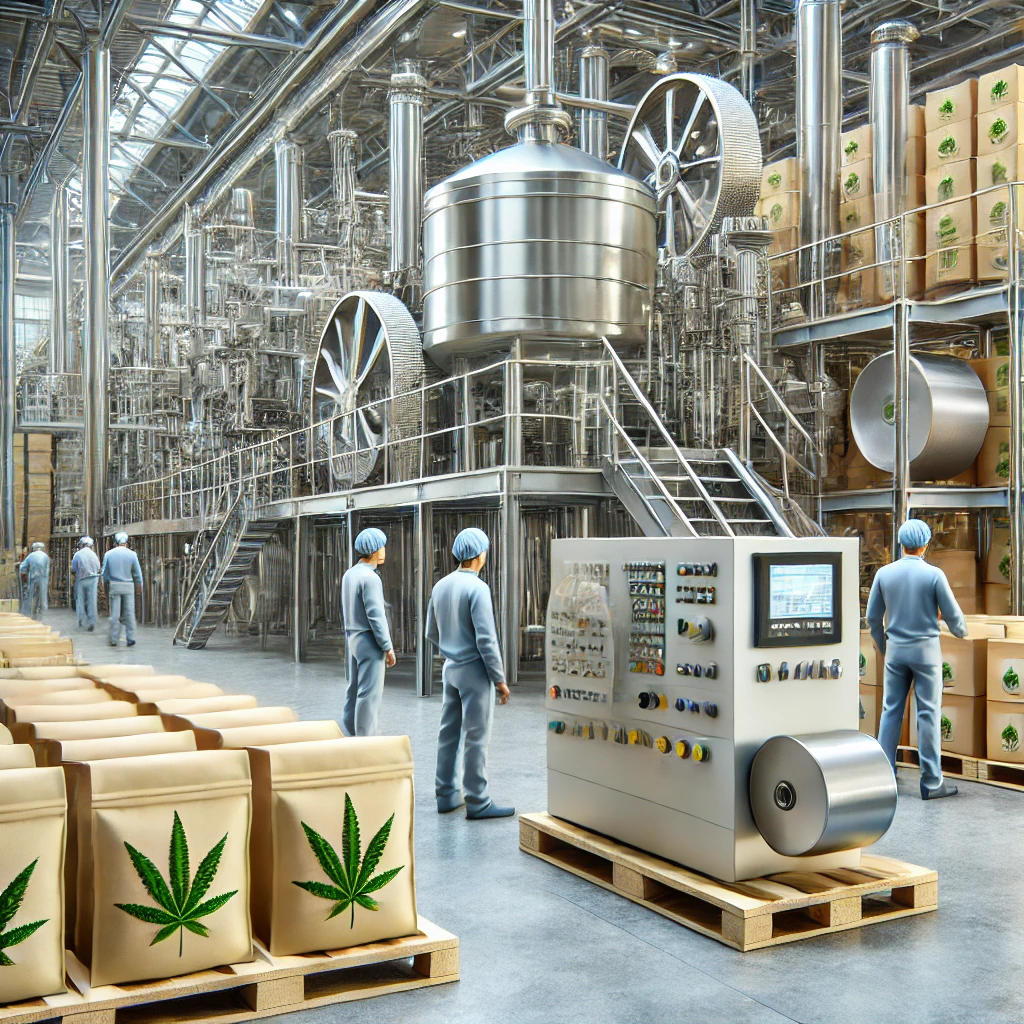
Hemp is not only beneficial to the environment; it is also a renewable resource with a wide range of industrial applications. The Global Hemp Market Report estimates that the global hemp market will grow from $5.66 billion in 2020 to $27.72 billion by 2028, highlighting the increasing demand for hemp-based products in various industries .
- Textiles: Hemp fibers are strong and durable, making them ideal for producing eco-friendly fabrics. Hemp requires 50% less water to grow compared to cotton, and the resulting fabric is biodegradable and long-lasting.
- Construction: Hempcrete, a building material made from hemp hurds and lime, offers superior insulation and fire resistance. According to research from the University of Bath, hempcrete can reduce a building’s carbon footprint by up to 50% compared to traditional concrete .
- Bioplastics: As the world grapples with the environmental impact of plastic pollution, hemp-based bioplastics are emerging as a sustainable alternative. Bioplastics made from hemp are biodegradable and can significantly reduce plastic waste.
Health and Wellness: Supporting Human Health
Hemp seeds and oil are rich in essential fatty acids, vitamins, and minerals, making them valuable additions to a balanced diet. Research published in the Journal of Agricultural and Food Chemistry found that hemp seed oil contains a 3:1 ratio of omega-6 to omega-3 fatty acids, which is considered optimal for human health . These essential fatty acids play a crucial role in supporting cardiovascular health, reducing inflammation, and promoting brain function.
Moreover, hemp products have been shown to support skin health. A study published in the Journal of Dermatological Treatment highlighted that hemp seed oil can help manage skin conditions like eczema and psoriasis due to its anti-inflammatory and moisturizing properties .
Economic and Social Benefits
The resurgence of hemp cultivation has brought about economic benefits as well. The National Hemp Association reports that the hemp industry has created thousands of jobs in farming, manufacturing, and retail, contributing to economic growth in both rural and urban areas .
In addition to job creation, hemp’s versatility has the potential to reduce dependence on non-renewable resources, thus fostering a more sustainable economy. By replacing materials like plastics, cotton, and concrete with hemp-based alternatives, we can reduce our environmental footprint while supporting economic resilience.
Conclusion
Hemp’s potential to benefit humanity is vast, spanning environmental, industrial, health, and economic realms. As scientific research continues to unveil the myriad advantages of hemp, it is clear that this ancient plant holds the key to a more sustainable and healthier future for all.
Sources:
- Journal of Industrial Ecology: “Carbon Sequestration Potential of Hemp Cultivation”
- Global Hemp Market Report (2020-2028): Market analysis and growth projections.
- University of Bath: “Hempcrete’s Impact on Sustainable Construction”
- Journal of Agricultural and Food Chemistry: “Nutritional Benefits of Hemp Seed Oil”
- Journal of Dermatological Treatment: “The Role of Hemp Seed Oil in Managing Skin Conditions”
- National Hemp Association: “Economic Impact of the Hemp Industry”