

Cold-pressed hemp oil bottles line every health store shelf, each claiming to be the “purest” or “most natural.” However, almost none of them say a word about how the oil actually came out of the seed — and that silence is usually where the real story hides.
If you’ve ever compared two bottles of cold-pressed hemp oil — one marked organic, one marked CO2-extracted, both priced within a few dollars of each other — you know the feeling. The language is dense, the marketing is glossy, and nothing tells you what’s actually different in the bottle.
This 2026 guide cuts through that. You’ll learn how a real cold-pressed hemp oil is made, how supercritical CO2 extraction differs, what each method preserves (and destroys), how to read a hemp oil COA, and which method makes sense for your use. No hype — just the science in plain English, and a checklist you can take shopping.
What’s Actually in Hemp Oil (and Why Extraction Matters)
Hemp seeds vs hemp flower — two products, not one
Hemp (Cannabis sativa) gives us two very different raw materials. The seeds contain no cannabinoids, but they’re unusually rich in omega-3-6-9 fatty acids, protein, and vitamin E. However, the flowers, leaves, and stalks contain cannabinoids like CBD and, in some varieties, trace THC. A cold-pressed hemp oil, by definition, comes from the seeds — not the flower.
So an oil made from hemp seeds is a nutritional product. In contrast, an oil made from hemp flowers is a cannabinoid product. They can look identical in a dropper bottle, but they behave completely differently in your body. Still, if a label says “hemp oil” without further detail, it almost always means the cold-pressed kind — zero cannabinoids, rich in omegas. For the full distinction, we’ve broken it down in our guide to hemp oil vs CBD oil.
Why extraction is the most-overlooked quality signal
Still, you can buy two bottles labelled “100% organic hemp seed oil” that are not the same product at all. What separates them is how much heat, pressure, and chemistry the oil was put through on the way to the bottle. Furthermore, a peer-reviewed review in Foods notes that a cold-pressed hemp oil’s remarkable nutritional profile — including a rare 1:3 omega-3 to omega-6 ratio — depends heavily on gentle handling during extraction.
Three very different hemp products at a glance
- Cold-pressed hemp oil: from seeds only. No CBD, no THC. Omega-3-6-9.
- CBD oil (usually CO2-extracted): from flowers. Cannabidiol, sometimes trace THC.
- Full-spectrum hemp extract: the whole plant. Cannabinoids + terpenes, up to 0.3% THC.
Throughout this guide, “hemp oil” means cold-pressed hemp oil from the seed unless we say otherwise.
How Cold-Pressed Hemp Oil Works (and What It Preserves)
Cold-pressing is the oldest and mechanically simplest way to get oil from a seed — and the gentlest.
The process, step-by-step
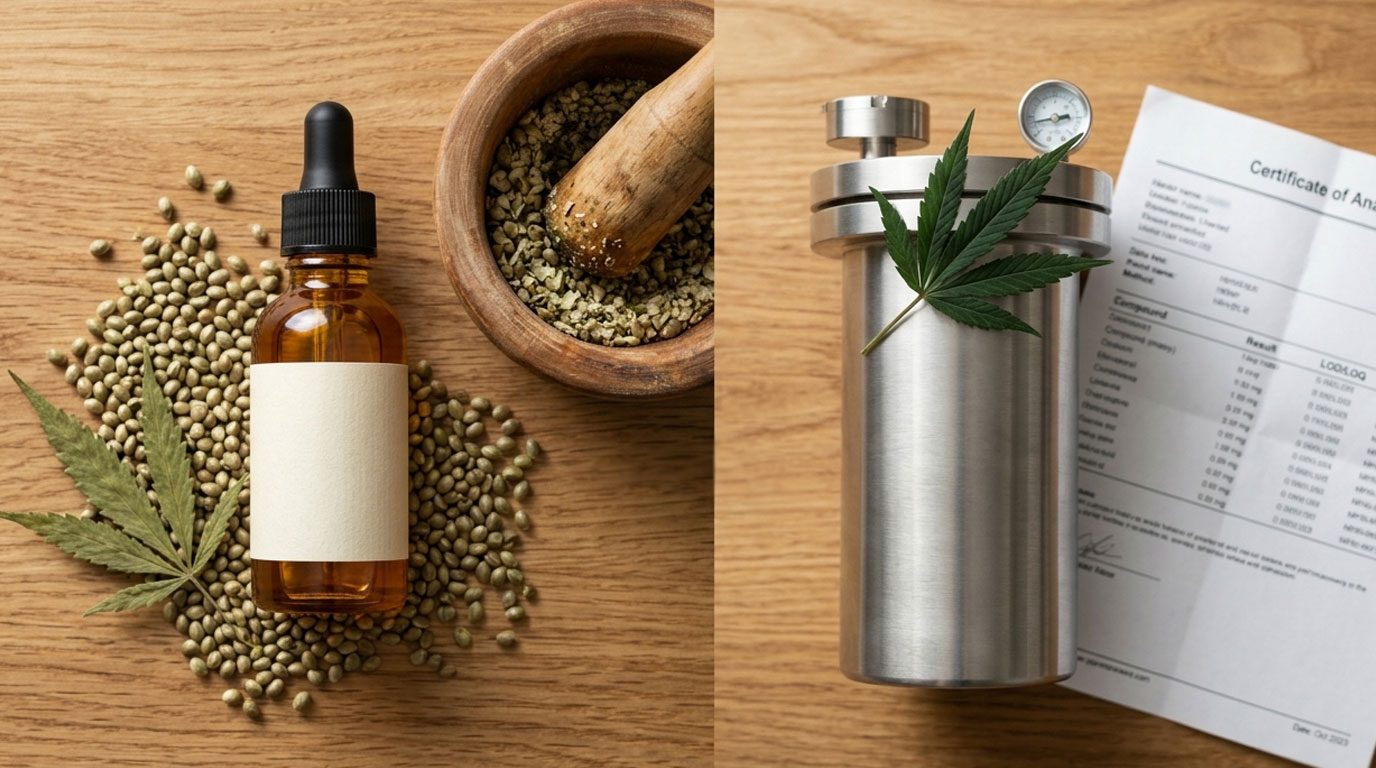
First, a cold-press starts with clean, dry, organic hemp seeds. Then a mechanical auger or hydraulic press applies high pressure to crush them. No added heat. No chemical solvents. The oil squeezes out, gets filtered, and goes into a light-blocking bottle. That’s the whole process. For example, industry producers like Carrington Farms describe the same four steps: press, filter, bottle, refrigerate.
What varies between brands is how clean the input is (organic or not, heavy-metal tested or not) and how warm the press gets under pressure.
Why temperature matters — the 120 °F threshold
Hemp seed oil is packed with polyunsaturated fatty acids: linoleic acid (omega-6), alpha-linolenic acid (omega-3), and gamma-linolenic acid. These fats are fragile. Research on seed-oil processing shows that once temperatures push past roughly 120 °F (49 °C), omega-3 oxidation accelerates. As a result, the omegas break down into less-nutritious compounds and, eventually, a rancid taste.
Therefore, a genuine cold-pressed hemp oil operation keeps it below that threshold the whole way. Still, if a bottle says “cold-pressed” but the producer won’t disclose their maximum press temperature, that’s a yellow flag worth asking about.
What a quality COA should show
A Certificate of Analysis (COA) is a third-party lab report on what’s actually in the bottle. For a cold-pressed hemp oil, a reputable COA covers:
- Fatty acid profile — confirming the 1:3 omega-3-to-6 ratio
- Heavy metals — lead, arsenic, mercury, cadmium below safety thresholds
- Pesticide residue — standard multi-residue panel
- Cannabinoid screening — <0.3% THC and typically <0.1% CBD in pure seed oil
So, if a brand won’t share the batch-specific COA for your bottle, keep looking.
How Does CO2-Extracted Hemp Oil Actually Work?
CO2 extraction is a very different animal — precise, clean, expensive, and dominant when you’re after cannabinoids rather than omegas.
The supercritical CO2 process in plain English
At certain temperature and pressure combinations, carbon dioxide becomes “supercritical” — behaving as both liquid and gas at once. In that state it becomes an excellent selective solvent: it dissolves specific plant compounds, then evaporates completely, leaving behind a pure extract.
An extractor loads ground hemp flower into a pressure chamber, pumps in CO2, cranks pressure and temperature into the supercritical range, and lets the fluid flow through. Meanwhile, CBD, terpenes, and other lipid-soluble compounds come along. When pressure drops, the CO2 gasses off, and you’re left with concentrated hemp extract — a very different product from cold-pressed hemp oil.
When CO2 extraction is the right choice
If the goal is cannabinoids — CBD, CBG, full-spectrum profiles — CO2 extraction is the better method. It’s selective, it doesn’t denature cannabinoids, and it leaves no residual solvent behind. For example, the Arthritis Foundation’s overview of CBD products and most serious cannabinoid brands use it.
However, if your goal is omega fatty acids from hemp seeds, CO2 is overkill — and often counterproductive. The pressures involved typically generate enough heat to damage the fragile omega-3 content you were after. For omega preservation, cold-pressed hemp oil wins every time.
In short: CO2 is the right tool for flower-based cannabinoid products. Cold-pressing is the right tool for seed-based nutritional oils. Trying to do one job with the wrong tool is how a lot of mediocre hemp products get made.
Looking for a genuinely cold-pressed hemp oil?
Randex cold-presses every bottle under 120 °F, third-party tests every batch, and publishes the COA numbers described above.
Cold-Pressed Hemp Oil vs CO2: The Head-to-Head Comparison
Omega 3-6-9 preservation
Cold-pressed hemp oil preserves the fatty acid profile the plant produced — including the 1:3 omega-3-to-6 ratio researchers call unusually balanced for human nutrition. In contrast, CO2-extracted hemp oil, especially from flower, does not. As a result, you get more cannabinoids, fewer intact omegas.
Purity and residual solvents
Both methods can produce very clean product when done well. Cold-pressing uses no solvents, so nothing can be left behind. Similarly, supercritical CO2 fully evaporates at room temperature, so a properly run CO2 extraction also leaves no residue. However, avoid products that use ethanol or hydrocarbon co-solvents — that’s a different (and lower) tier.
Cannabinoid content — and why Randex chose zero-THC
Cold-pressed hemp oil from the seed contains <0.1% CBD and <0.3% THC — essentially none. In contrast, CO2-extracted hemp flower oil is designed to contain cannabinoids. For omega nutrition or topical skin care, you don’t need cannabinoids. Randex builds our hemp seed line specifically for buyers who want omega benefits with zero THC — drug-tested professionals, new parents, and people on medications with interaction concerns. (Check with your doctor.)
Price, shelf life, and freshness
| Criterion | Cold-pressed | CO2-extracted |
|---|---|---|
| Typical price (per oz) | $1–$4 | $4–$20+ |
| Shelf life opened | 6–12 months refrigerated | 12–24 months |
| Production carbon footprint | Low | Higher |
| Best use | Omega supplementation, low-heat cooking, topical | Cannabinoid supplementation |
| Cannabinoid content | Negligible | Designed to contain CBD/others |
Yet the shorter shelf life of a good cold-pressed hemp oil isn’t a flaw — it’s evidence the oil is alive with intact fatty acids. A hemp seed oil that sits unrefrigerated for two years without going rancid has likely been heat-treated or chemically stabilised.
How Do You Buy a Genuinely Cold-Pressed Hemp Oil in 2026?
When you’re shopping, three label items and five red flags tell you almost everything.
Three must-haves on the label
- “Cold-pressed” plus a disclosed maximum process temperature (< 120 °F is ideal). Anyone can stamp the phrase; few back it up with a number.
- USDA Organic certification with the certifier number. USDA’s organic rules require yearly audits. The certifier number lets you verify.
- A batch-specific COA, accessible via QR code or on the brand’s site — with a batch number that matches your bottle.
Five red flags
- The label says “hemp oil” with no distinction between seed and full-spectrum.
- “Third-party tested” with no COA you can actually pull up. Moreover, one independent review found many “tested” claims aren’t backed by accessible lab reports.
- Shelf life over 24 months unrefrigerated. A real cold-pressed hemp oil with intact omega-3s doesn’t last that long at room temperature.
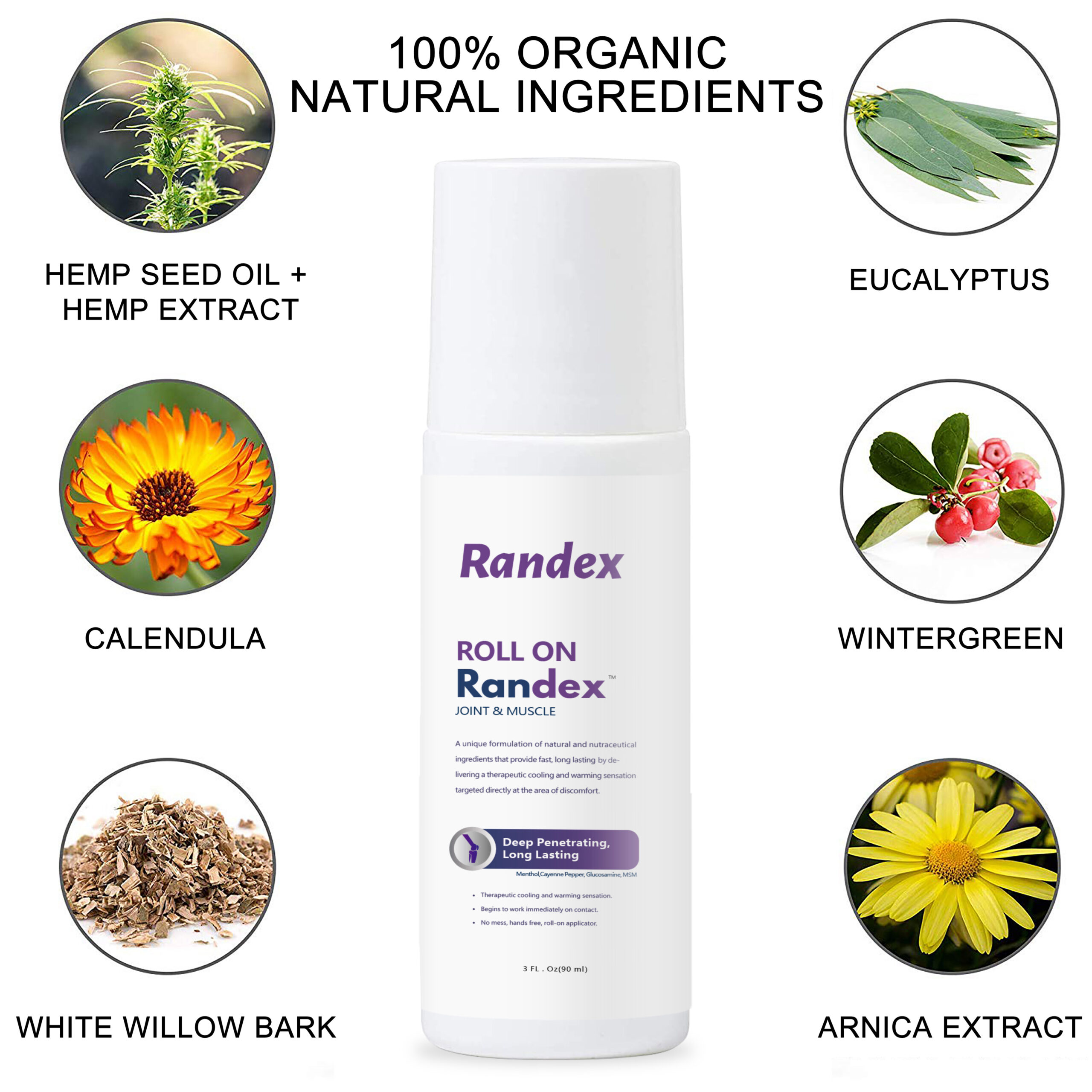
- Active-ingredient list names an FDA-approved drug (like trolamine salicylate) in tiny print. The product may work — however, it’s the drug, not the hemp, doing it.
- Prices that look too good. Genuine organic, COA-tested cold-pressed hemp oil costs real money to produce.
Verify claims in under two minutes
Type the USDA certifier number into the USDA Organic Integrity Database — free public search. Match the brand and operation listed there to your bottle. For the COA, match the batch number on the bottle to the specific lab report on the brand’s site. Both of these should take less than two minutes. Therefore, taking longer is a red flag; being unable to do either at all is a bigger one.
A short illustrative scenario. Picture a 54-year-old woman with morning joint stiffness comparing three cold-pressed hemp oil bottles at a health store. Two carry generic “cold-pressed, pure, natural” claims but show no COA, no certifier number, no process details. However, the third has a QR code opening a PDF for the exact batch she’s holding — fatty acid profile, heavy metals panel, certifier number. She doesn’t need to understand every number on that COA to see which brand is being transparent. That’s the practical decision.
Frequently Asked Questions
Is cold-pressed hemp oil better for cooking or supplementation?
Supplementation and topical use. Cold-pressed hemp oil has a low smoke point (~330 °F / 165 °C), and the heat-sensitive omega-3s that make it valuable begin breaking down well before sautéing temperatures. Drizzle it on salads, blend into smoothies, take by the teaspoon, or apply topically. However, if you need a cooking oil, use olive or avocado and save the hemp oil for uses where the omegas survive.
Can cold-pressed hemp oil go rancid?
Yes — and that’s part of why it’s valuable when fresh. Intact polyunsaturated fats oxidise over time, especially when exposed to heat, light, or oxygen. Therefore, refrigerate once opened, keep in a dark bottle, and use within 6–12 months. A grassy, nutty smell is normal; however, a sharp, crayon-like, or paint-thinner smell means it’s turned.
Does cold-pressed hemp oil contain CBD or THC?
Essentially none. Cold-pressed hemp oil from the seed typically tests at <0.1% CBD and well under the 0.3% federal THC limit set by the 2018 Farm Bill. It’s nutritional, not cannabinoid. However, if a “cold-pressed hemp oil” label claims meaningful CBD, it’s usually blending in a separate CBD extract.
How should I store cold-pressed hemp oil?
Refrigerate once opened, in a tightly sealed opaque bottle, and use within 6–12 months. Unopened, keep it in a cool, dark cupboard. Never leave it in a sunlit window or near a stove. Still, if you won’t finish a bottle within a year, buy a smaller size rather than a bigger one — freshness is the whole point of cold-pressing.
Ready to try a transparent cold-pressed hemp oil?
Every batch of Randex cold-pressed hemp oil, pressed under 120 °F, publishes its COA, fatty acid profile, and certifier number. Third-party tested, zero THC.
[AUTHOR_BIO]
These statements have not been evaluated by the FDA. This product is not intended to diagnose, treat, cure, or prevent any disease. Consult your healthcare provider before starting any new supplement, especially if you are pregnant, nursing, taking medication (particularly blood thinners or anti-seizure medication), scheduled for surgery, giving a hemp product to a child, or considering hemp oil for a pet.
Takeaway
Extraction method is the quiet quality signal most hemp oil buyers miss. A cold-pressed hemp oil is the right choice for gently preserved omega-3-6-9s, skin-care-compatible nutrition, or a zero-THC daily supplement. In contrast, CO2 extraction is the right choice for cannabinoids from the flower.
The most reliable move a 2026 buyer can make is to stop comparing marketing language on the front of the bottle and start comparing the COA, the certifier number, and the maximum press temperature — the three things a transparent producer is happy to share. Therefore, brands that hesitate on any of the three are telling you something. If you want a genuine cold-pressed hemp oil with all three on the label, that’s exactly how Randex built its process — and you can browse the whole Randex cold-pressed range to compare.